
Survey Plans: The True Foundation of Your New Home Build

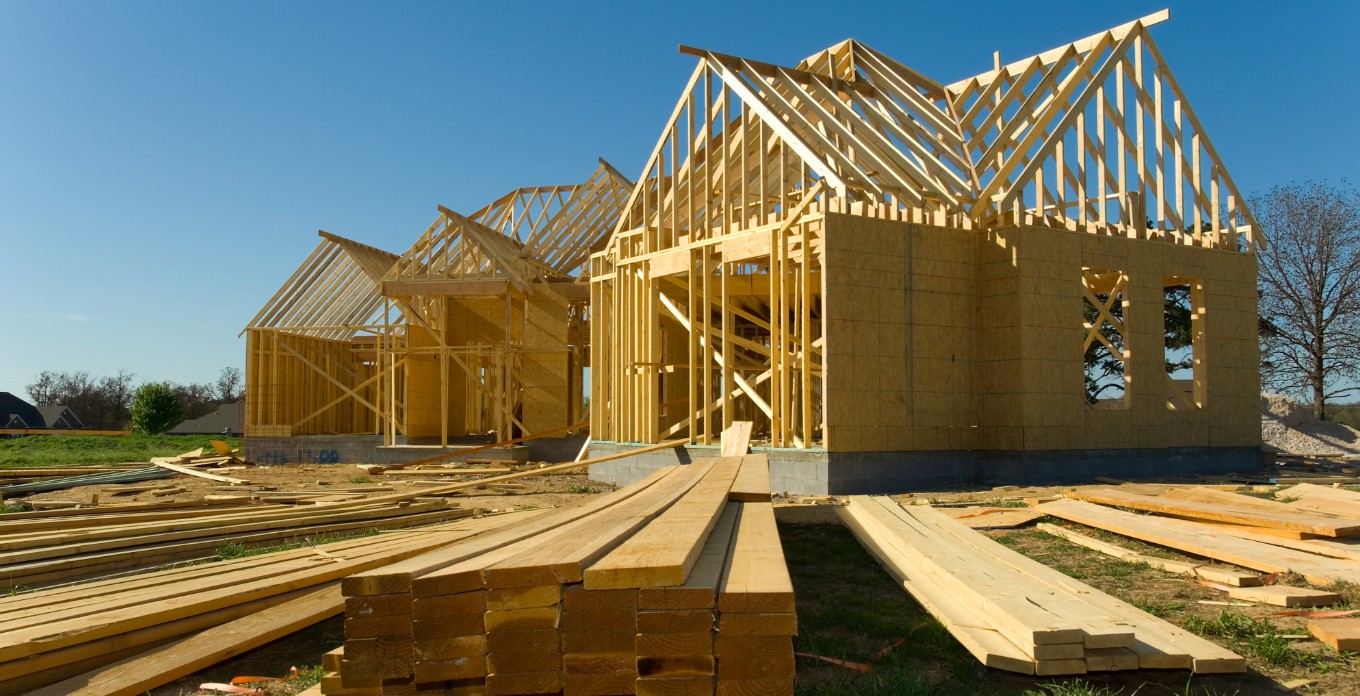
Most homeowners think of surveying as something that simply defines where one property ends and another property begins, but behind the scenes, surveying plays a far bigger role. Especially when you're building a new home on a vacant lot. From before the land is purchased to the day construction wraps up, surveying is woven into every stage of the development process.
In this article, we will go through the different stages of building and where surveying fits in the development process.
Building a home on raw land is exciting, but it also requires a precise sequence of steps such as approvals, design, layout, grading, inspections, and final verification. Surveying is what keeps every one of those steps accurate, compliant, and legal.
Here are the stages of building and where your surveyor fits into the process:
1. Land Purchase & Prebuild: Understanding the Land
The very first step in building a home is to understand the land itself. At Protect Your Boundaries, we are always telling homeowners to obtain a legal survey (SRPR) before even putting an offer down on a home. This is especially true if you are buying a vacant lot with the intention of building on it. Your land survey will confirm:
- the true property boundaries
- exact lot dimensions
- existing markers or monuments
- easements and rights-of-way
- elevation changes, slopes, and drainage
- natural features and site characteristics
- the legal building envelope
- encroachments (if any)
This information is foundational. Without it, the entire project is put at risk.
2. Planning & Approvals: Your Survey Drives the Permit Process
Once your survey is complete, your architect or designer uses it to prepare the drawings needed for municipal approval. The municipality must confirm that your proposed home meets zoning and site requirements, and they rely entirely on accurate survey data to do it.
Your survey helps determine:
- whether the home fits within required setbacks
- lot coverage limits
- grading and drainage expectations
- driveway and entrance placement
- conservation authority constraints (if applicable)
Without up-to-date survey information, the project should not move ahead.
3. Design: Turning the Land into a Buildable Plan
With the survey in hand, your design team can create a home that fits your land safely and intelligently. The measurements, elevations, and physical features captured in the survey shape everything from the foundation to the roofline.
Survey data influences:
- the home’s exact footprint and orientation
- garage and entrance elevations
- grading around the house
- walkout or basement feasibility
- retaining walls, drainage paths, and slope adjustments
- utility, well, or septic placement (on rural lots)
This step ensures the design isn't just beautiful on paper, it’s buildable on your actual land.
4. Construction Layout: Bringing the Design to Life
Before construction begins, surveyors return to the site to mark the precise locations contractors must follow. These markings, the stakes you see on the ground, are essential for accurate building.
Surveyors typically stake:
- house corners
- excavation limits
- foundation layout
- elevations and reference points
- driveway placement
- grading benchmarks
These markers guide builders, prevent mistakes, and ensure the home is constructed exactly where approvals said it could be.
5. After Construction: Confirming Everything Was Built Correctly
When the home is complete, a surveyor may perform a final or “as-built” survey to confirm that the finished house matches what was approved. This protects you legally and often satisfies requirements from municipalities, lenders, or insurers.
A final survey verifies that:
- the house sits fully within property boundaries
- all setbacks were met
- grading matches the approved plan
- no encroachments were created during construction
- drainage flows properly away from the home
It’s the last layer of certainty, proof that your home was built accurately, safely, and in compliance with all requirements.
If you’re planning to build on a vacant lot, the first step is understanding the land you’re working with, and that starts with having the right survey information.
Protect Your Boundaries can help you get your project started with an existing land survey plan; help you locate it, interpret it, and understand what it tells you about your property. We can also connect you with a licensed Ontario Land Surveyor when new survey work is required. Visit our residential surveying services page for more information
From identifying boundaries to spotting easements and existing site features, a survey provides the foundation your architect, builder, and municipality will rely on. While you will still need to hire an Ontario Land Surveyor to complete new survey work throughout the build, having accurate information from the start sets your project on solid ground.
Protect Your Boundaries helps you access the existing survey for your property so you can begin the process with clarity, confidence, and the right information in hand.









Protect Your Boundaries Inc. is a licensed member of the Association of Ontario Land Surveyors, and is entitled to provide cadastral surveying services to the public of the Province of Ontario in accordance with the provisions of the Surveyors Act R.S.O. 1990, Chapter S29.