
Your neighbour is building something
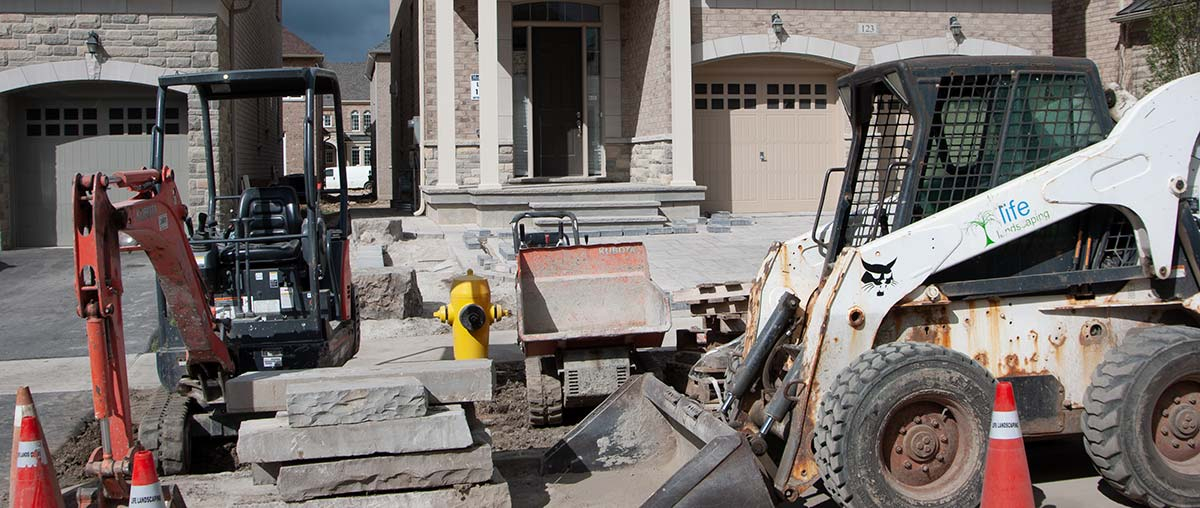
It starts with the roar of construction next door—disruptive, unwelcome, and raising concerns about your property boundaries and rights. You don’t want a neighbourly feud, but you also don’t want your land rights crossed. What can you do?
Know Your Rights and Gather the Facts Before Construction Begins
A posted building permit demonstrates that the construction project complies with permitted use. The owners of the property are entitled to improve their property in conformity with municipal zoning by-laws and planning constraints. However, you are equally entitled to protect your property rights with regards to the new construction. Your first task is to get the facts—review the building permit and get a copy of the architectural site plan that was submitted to the city which shows the proposed design and grading. Get a copy of the property's title documents to see what could affect your land (such as easements over your property) and ask if there is a survey plan of their property. Compare it with a survey plan of your own land to check for any inconsistencies and enhance your understanding of the boundary location between the two lots. If a plan of their lot is not available (or you don't have one of your own), check the Protect Your Boundaries database.
Protect Your Property Boundaries Throughout the Building Proces
Ensure tht your new neighbour's building is erected no closer to your boundary than the approved distance and that any excavation does not damage the existing fence. If you are uncertain of the boundary location, engage a licensed surveyor to confirm the location of your property by commissioning a new survey or a boundary stakeout immediately.
The owners, developers or builders of the neighbouring property are not obligated to seek your approval or get your permission to redevelop their land. Ideally, they will keep you informed of their construction plans. They must advise you of the planned duration of construction and how you can contact them. Roads must be kept clean and unobstructed, noise and disturbances kept to a minimum, and utility lines should not be relocated over your property.
In some cases the neighbouring owners will have applied to the local Committee of Adjustment> for a minor variance of their property—a process which, by law, adjoining neighbours must have notice of. You are entitled to appear at the committee hearing to voice your support or concerns. You also have a right to appeal any decision the committee renders to the Ontario Municipal Board. If you feel that the new development, once underway, is at odds with the granted variance, you have a right to demand conformance to the approved zoning change.
The most important thing is defending your property boundaries—and that means actively protecting anything that borders or marks your property lines. Be alert during construction and if construction crews remove or damage your fence, tree, retaining wall, paved driveways or corner survey monuments, demand that they immediately cease what they are doing, and repair or replace them.
As the project is being completed, final grading must be performed according to the approved site-grading plan and cannot create any drainage impact to your land. Fence replacement costs should be the responsibility of the developers or owners involved, but may necessitate involving municipal fence viewers within the purview of the Line Fences Act or local regulations. Retaining walls and curbs are also their responsibility to install or replace. Make sure that the neighbours agree to bring in a professional surveyor to re-establish the correct boundary line or reset removed survey monuments.

Protect Your Boundaries Inc. is a licensed member of the Association of Ontario Land Surveyors, and is entitled to provide cadastral surveying services to the public of the Province of Ontario in accordance with the provisions of the Surveyors Act R.S.O. 1990, Chapter S29.