
How a Backyard Dispute Became a Supreme Court Case

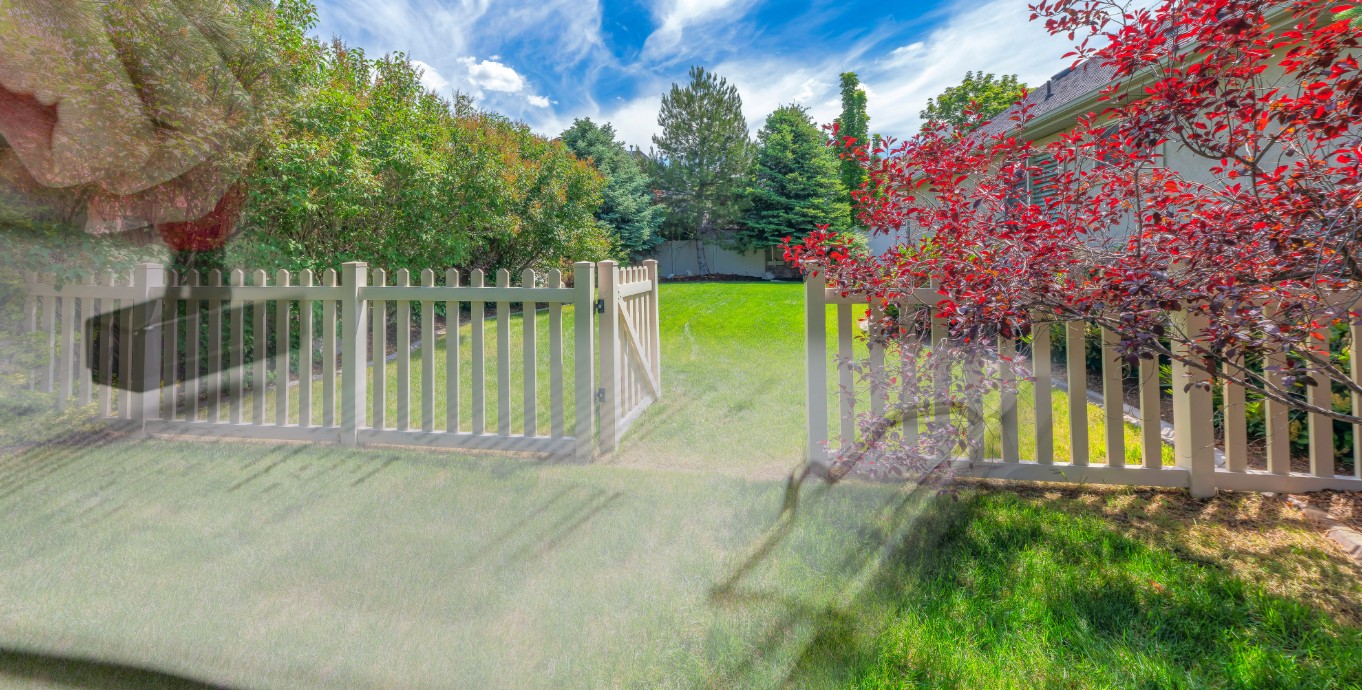
In Toronto, a quiet backyard dispute between the City and homeowners escalated all the way to the Supreme Court of Canada, highlighting the risks of assuming that existing fences accurately represent legal boundary lines. These assumptions can be costly, not only financially, but also in terms of time, stress, and mental energy.
The case is important to every homeowner as it emphasizes the importance of understanding property boundaries before purchasing a home.
The Facts
In 2017, the couple purchased the Toronto home to raise their family in. The house sat on a well-sized, fenced-in lot that backed onto parkland. The fence had existed long before the couple had purchased the property. The enclosed land was maintained as a private backyard and inaccessible to the public for over 50 years before the city of Toronto asserted ownership over a strip of the fenced-in land. Naturally, the new homeowners argued that they had acquired ownership over the land through long-term use of the land, which is referred to as adverse possession.
Adverse possession allows someone to acquire legal ownership of land they do not own. In Ontario, to claim adverse possession, you must prove:
- Open, obvious, and peaceful use of the land
- Exclusive possession
- Continuous use for a period of at least 10 years
In this case, the land had been openly used as part of the private backyard for decades. The fence excluded both the public and the city from using the land, and the city had taken no action for over half a century. This is evidence of uninterrupted use well beyond the required timeframe.
Lower to Supreme Courts: What changed?
The lower courts initially rejected the homeowner's claim, reasoning that public parkland should not be lost to private ownership. While that argument may feel natural, the Supreme Court disagreed.
The Supreme Court stated that judges cannot establish new exceptions that have not been written into legislation. In other words, municipal land is not exempt from adverse possession.
After a lengthy court battle, the Supreme Court of Canada ruled in favour of the homeowners, finding that they had met the legal requirements for adverse possession.
The Hidden Cost of an Assumption
The homeowners ultimately won their case, but it came at a cost that included years of litigation, legal fees, ongoing uncertainty, and the emotional toll that comes with a prolonged dispute.
When purchasing a home, most buyers don’t factor potential boundary disputes into their decision. Had the issue been clearly identified upfront, the buyers could have walked away or renegotiated the price.
When Boundary Issues Happen
Boundary issues usually arise when one of the following happens:
- Renovations
- Fence Replacements
- City Inspections
- New Neighbours/Property Sales
The hidden cost of “we’ll deal with it later” is often far greater than most people realize. What can start as a small strip of land can become a major legal expense and a long-term source of stress.
How PYB fits into the conversation
Protect Your Boundaries exists to help home buyers surface potential land discrepancies early in the buying process. Within minutes, you can obtain survey plans and land records that can help you reveal boundary inconsistencies, encroachments and historic conditions that could surface down the road. We have resources to help you read your survey plan, or you can reach out to our knowledgeable customer service team.
Winning Isn’t the Same as Knowing
While this case did have a successful outcome, the real lesson in this case is about risk awareness, not the legal victory.
When you are in the market for a new home and would prefer fewer surprises and more certainty, understanding your boundaries before you buy is not pessimistic; it’s practical.
This article is based on reporting by Global News regarding a Toronto backyard dispute that reached the Supreme Court of Canada.









Protect Your Boundaries Inc. is a licensed member of the Association of Ontario Land Surveyors, and is entitled to provide cadastral surveying services to the public of the Province of Ontario in accordance with the provisions of the Surveyors Act R.S.O. 1990, Chapter S29.